
The Best Self-Help Journal for Personal Growth and Healing

Introduction to Journaling

Journaling is a potent tool for self-discovery, emotional expression, and long-term personal transformation. It provides a structured and intentional way to explore your inner thoughts and feelings, enhance mental clarity, and develop emotional intelligence. A consistent journaling practice can improve how you respond to life’s challenges, build resilience, and create more purpose in your daily life. Writing in a journal allows your mind to slow down and reflect, making space for insights that might be missed in a fast-paced world.
Regular journaling allows you to identify patterns in your behavior, foster deep self-awareness, and cultivate self-compassion. It creates a safe place for honest self-expression, free from judgment or performance, fostering self-love. Through this ongoing process, you can reduce stress, improve emotional health, and establish a meaningful self-care routine that promotes well-being. Over time, journaling becomes more than a habit; it becomes a transformative ritual for healing, personal empowerment, and clarity of purpose.
Table of Contents
The information on this site is free. However, we partner with companies that offer products that help our readers achieve their goals. This site contains affiliate links, and we may get commissions for purchases made through links and ads to support this site at no additional cost to you. Please read my disclosure for more information.
Benefits of Journaling
A self-help journal offers many mental, emotional, and even physical health benefits. From boosting your immune system to reducing anxiety, writing down your thoughts can help clear mental clutter and calm your nervous system. Journaling regularly creates a space to reflect, recognize patterns, and process emotions, ultimately supporting emotional resilience. You can reduce overwhelm and feel more grounded by making journaling part of your self-care toolkit.
Your self-care journal becomes a platform for building positive daily habits and reinforcing healthy coping strategies. Whether you use a self-care planner, daily affirmations, motivational quotes, or regular writing prompts, each page becomes an opportunity for self-discovery and mindfulness. Integrating a daily affirmation can enhance mindfulness and self-reflection by prompting you to think positively and set intentions for your day. These practices help you stay grounded, promote a balanced life, and create a stronger connection with yourself. The importance of various wellness and self-care tools, such as planners, journals, and guided tips, cannot be overstated in enhancing personal well-being.
Expressive writing, in particular, offers deep healing benefits. Writing freely about emotions and experiences can release repressed feelings, clarify confusing situations, and reduce symptoms of anxiety and depression. A self-care journal gives you a private space to explore these feelings and generate new perspectives on what’s going on in your life.
Incorporating a self-care planner into your journal provides practical structure. You can track to-do lists, set reminders for self-care activities, and use monthly layouts to plan healthy routines for your body. Wellness trackers such as hydration logs, sleep patterns, and mood charts can help you recognize behaviors related to emotional highs and lows. This approach creates intentional awareness and supports sustained personal growth.
Journaling also reinforces your core values and helps you align your goals with what truly matters to you. By taking the time to reflect on your motivations, personal goals, and long-term vision, your journal becomes a tool to stay accountable and focused. As your emotional awareness increases, you’ll naturally shift toward decisions that honor your personal truth and promote your overall well-being.
Choosing the Right Journal
Selecting the perfect self-care journal is a crucial step in establishing a consistent and meaningful self-care routine. When choosing a journal, consider the type of prompts and features that will best support your journey. Look for a journal that includes a variety of self-care journal prompts, such as daily affirmations, gratitude logs, and reflective questions. These elements can help you stay engaged and motivated in your journaling practice.
A self-care planner can be an invaluable tool in promoting self-care and helping you stay organized. It allows you to track your progress, set reminders for self-care activities, and reflect on your experiences in a structured way. Choose a journal with a flexible format that feels comfortable for you, whether it’s a traditional notebook or a digital app.
Aligning your journal with your personal goals and values is essential for cultivating self-awareness and self-compassion. A journal that includes inspirational quotes and positive affirmations can encourage reflection and promote self-love. Additionally, consider the practical aspects such as the size and portability of the journal, as well as the quality of the paper and binding.
Wellness trackers are another valuable feature to look for in a self-care journal. These can help you monitor your physical and emotional health by tracking habits like hydration, sleep patterns, and mood. A focus on self-discovery and personal growth can provide insights into your thoughts, feelings, and behaviors, helping you gain clarity and make positive changes in your life.
Ultimately, the right journal for you will depend on your individual needs and preferences. Take the time to explore different options and find the one that feels most supportive of your self-care journey.
Getting Started
Embarking on a self-care journaling journey begins with setting aside dedicated time and space for reflection and writing. Start by exploring your core values and what self-care means to you, using this as a foundation for your journaling practice. Positive affirmations and inspirational quotes can guide your journaling and promote self-love.
Begin with simple journal prompts, such as writing about your daily habits and routines, and gradually move on to more in-depth reflective questions. Remember, self-care journaling is a personal and individual experience—there is no right or wrong way to do it. Be patient and kind to yourself as you establish your journaling practice, and don’t be afraid to try new things and experiment with different prompts and techniques.
Use your journal to track your progress and reflect on your experiences. Celebrate your successes and acknowledge your challenges. Sharing your journaling practice with a friend or family member can also be a great way to connect and support one another.
Remember, self-care journaling is a journey, and it’s okay to take things one step at a time. By committing to a regular journaling practice, you can cultivate greater self-awareness, self-compassion, and overall well-being.
Creating a Self-Care Plan
Creating a self-care plan in your journal is a proactive way to ensure your emotional, physical, and spiritual needs are being met. A well-rounded plan includes practices that nurture all aspects of your health. These might include physical movement, nutritious meals, mindfulness, sleep routines, creative expression, and emotional processing, as well as three things that bring you joy. Practices like journaling can foster a sense of inner peace and control in the midst of life’s chaos. Having a clear self-care routine in place empowers you to make intentional choices each day.
Your self-care journal serves as the perfect place to organize your plan and track progress. You can use it to outline weekly goals, reflect on how different strategies make you feel, and identify areas for improvement. Writing down what works—and what doesn’t—can encourage reflection, helping you adjust with confidence and stay motivated along your wellness journey.
Including journal prompts in your planner can deepen your reflection and make the process more engaging. Prompts such as “What helps me feel calm during stressful times?” or “How do I want to take care of my body this week?” bring clarity to your needs and reinforce healthy habits. Prompts like these inspire action and keep you connected to your emotional landscape.
Your self-help journal can also become a tool for setting intentions and creating a supportive environment. Use it to explore how relationships, routines, and mindset influence your well-being and your practices around self-care. A monthly self-care tracker helps ensure consistency in practicing gratitude, celebrating small wins, and committing to your daily wellness practices.
By journaling about your experiences, you gain insights into how to navigate challenges more effectively. When setbacks arise, you can refer back to entries that remind you of your strength and growth to find solutions. This form of reflection reinforces resilience and reminds you that you are capable of taking care of yourself, even in difficult times.
Understanding Core Values
Identifying your core values is foundational to personal growth and self-mastery. These values represent your beliefs and principles—what you stand for and prioritize in life. By aligning your actions with these values, you create a greater sense of harmony, direction, and authenticity. Journaling provides a focused space to reflect on these themes and better understand how they shape your behavior.
Your self-care journal invites you to explore what truly matters to you. Through regular writing in your self-care journal, you can reflect on questions like “What kind of person do I want to be?” or “What qualities do I admire in others?” These reflections bring clarity to your values and help you navigate life with intention. Over time, journaling about your values strengthens your sense of identity and purpose. Discover your core values through reflective prompts to gain deeper insights into yourself.
Understanding your values also empowers better decision-making. When faced with a tough choice, you can return to your journal to review what you’ve written about your goals, priorities, and boundaries. This kind of inner guidance system, often encouraged in therapy, reduces anxiety and builds confidence in your ability to make aligned, healthy choices.
A self-help journal also helps uncover value conflicts—times when your actions don’t match your ideals. Reflecting on these moments, including those involving family, gives you insight into why certain experiences feel wrong or unsatisfying. By examining behaviors that feel off track, you can adjust course and grow into a more intentional and values-aligned life.
Ultimately, journaling through the lens of your core values leads to deeper self-awareness, self-acceptance, and emotional freedom. When your daily actions reflect what matters most to you, and you feel powerful life feels more fulfilling and aligned. Your journal becomes the place where these breakthroughs take root.
Journaling Techniques
One of the most effective journaling techniques for self-care is expressive writing, which involves writing freely and honestly about your thoughts, feelings, and experiences. This technique can help release emotions and clear your mind. Another powerful technique is using prompts and questions to guide your journaling. For example, prompts like “What are three things I am grateful for today?” or “What is one thing I can do to take care of myself this week?” can provide focus and direction.
Reflective journaling involves looking back on your experiences and reflecting on what you have learned. This can be a powerful way to gain insight and perspective. Stream-of-consciousness journaling, where you write whatever comes to mind without stopping or editing, can also be a great way to release emotions and clear your mind.
Incorporating creative elements, such as art or photography, into your journaling practice can add an extra layer of depth and expression. The most important thing is to find a technique that works for you and feels enjoyable and supportive of your self-care journey. Don’t be afraid to experiment and try new things, and be patient with yourself as you develop your journaling practice.
Use your journal to recognize patterns and gain insight into your thoughts, feelings, and behaviors. This information can help you make positive changes in your life. By incorporating journaling techniques into your self-care routine, you can cultivate greater self-awareness, self-compassion, and overall well-being.
Conclusion
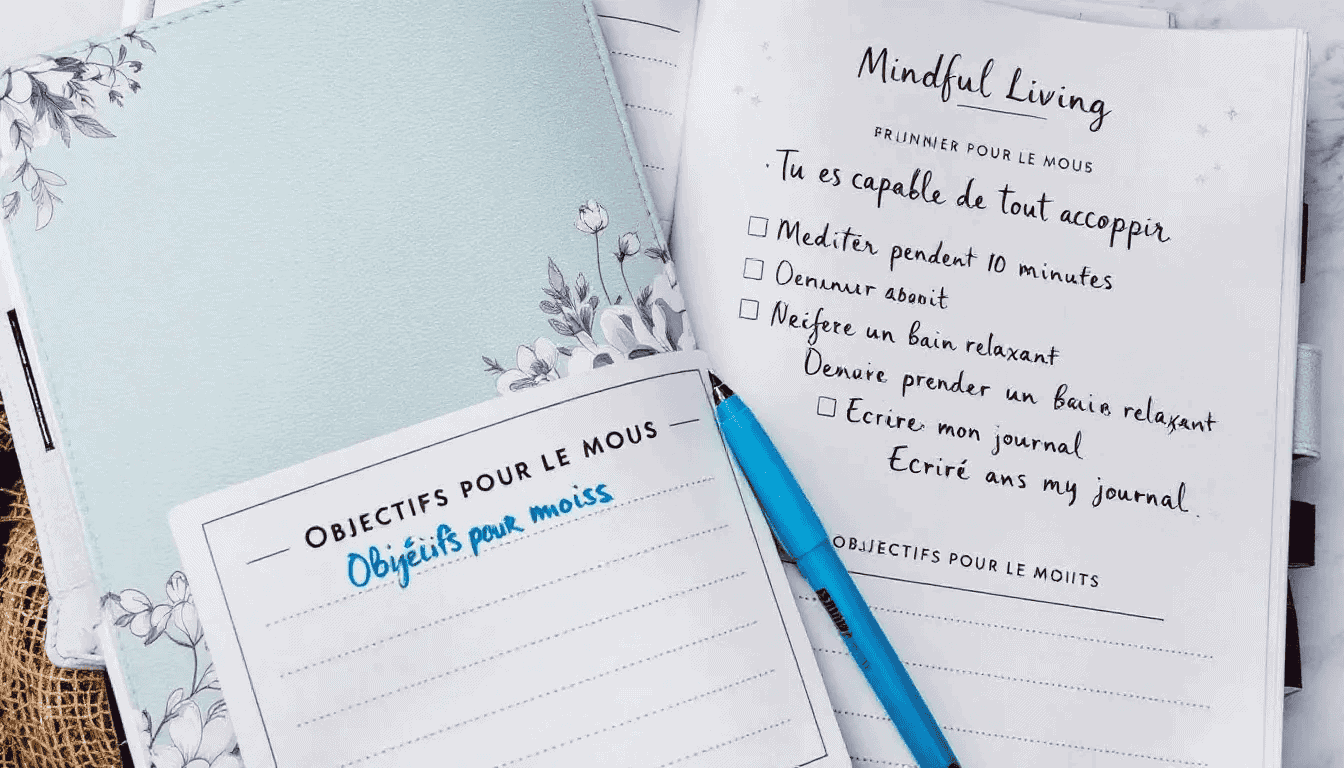
Incorporating a self-help journal into your daily routine is one of the most transformative practices you can adopt for your well-being. Whether you’re writing to reduce stress, track healthy habits, or reconnect with your purpose, journaling supports you in becoming your most empowered self. It helps you develop emotional intelligence, stay grounded, and build a life rooted in intention and clarity. Prioritizing self-care enables individuals to be more present in their daily lives.
With regular practice, your journal becomes more than a notebook—it becomes a mirror, a compass, and a source of encouragement. You can track progress, celebrate wins, and identify where one thing can create a massive impact. Writing helps you gain clarity and offers an outlet for expressing emotions in a safe, structured way. The journal was created with the purpose of helping users define their goals and track related behaviors.
As your journaling practice evolves, so does your mindset. You’ll become more attuned to your inner world and better able to manage life’s ups and downs with grace. From daily affirmations to expressive writing, every entry moves you one step closer to the version of yourself you absolutely love, especially when you write about a time you felt your best. The habit of writing, reflecting, and refining your self-care routine can truly change your life.
Thank you for reading! We encourage you to explore more resources on our blog to continue building your journaling practice. Whether you’re seeking new journal prompts, tips for managing stress, or guidance on setting self-care goals, we’re here to support you every step of the way.
FAQ
What is a self-help journal?
A self-help journal is a personal tool designed to facilitate self-reflection, emotional processing, and goal-setting. It provides a structured way to document thoughts, feelings, behaviors, and experiences, helping you gain clarity, improve emotional intelligence, and achieve personal growth.
Are self-care journals worth it?
Yes, self-care journals are highly beneficial. They promote mental health, reduce stress, increase self-awareness, and encourage positive emotional expression. Consistently using a self-care journal can significantly enhance your emotional well-being, resilience, and overall quality of life.
What to write in a self-improvement journal?
In a self-improvement journal, you can write about your daily experiences, goals, achievements, reflections on your emotions, positive affirmations, and core values. Including journal prompts and reflective questions can further enhance the depth and effectiveness of your journaling practice.
What are the three types of journaling?
The three main types of journaling are reflective journaling, expressive journaling, and gratitude journaling. Reflective journaling focuses on analyzing personal experiences and insights, expressive journaling emphasizes emotional release and creativity, and gratitude journaling highlights positive experiences and appreciation.
Additional Resources
American Psychological Association. (2023). The power of journaling for mental health and self-reflection. https://www.apa.org/news/press/releases/stress/2023/journaling-mental-health
Mayo Clinic Staff. (2022). Stress relief from laughter? It’s no joke. Mayo Clinic. https://www.mayoclinic.org/healthy-lifestyle/stress-management/in-depth/stress-relief/art-20044456
Positive Psychology. (2023). 83 Benefits of journaling for depression, anxiety, and stress. https://positivepsychology.com/benefits-of-journaling/
University of Rochester Medical Center. (2023). Journaling for mental health: Learn how to get started. https://www.urmc.rochester.edu/encyclopedia/content.aspx?ContentTypeID=1&ContentID=4512


